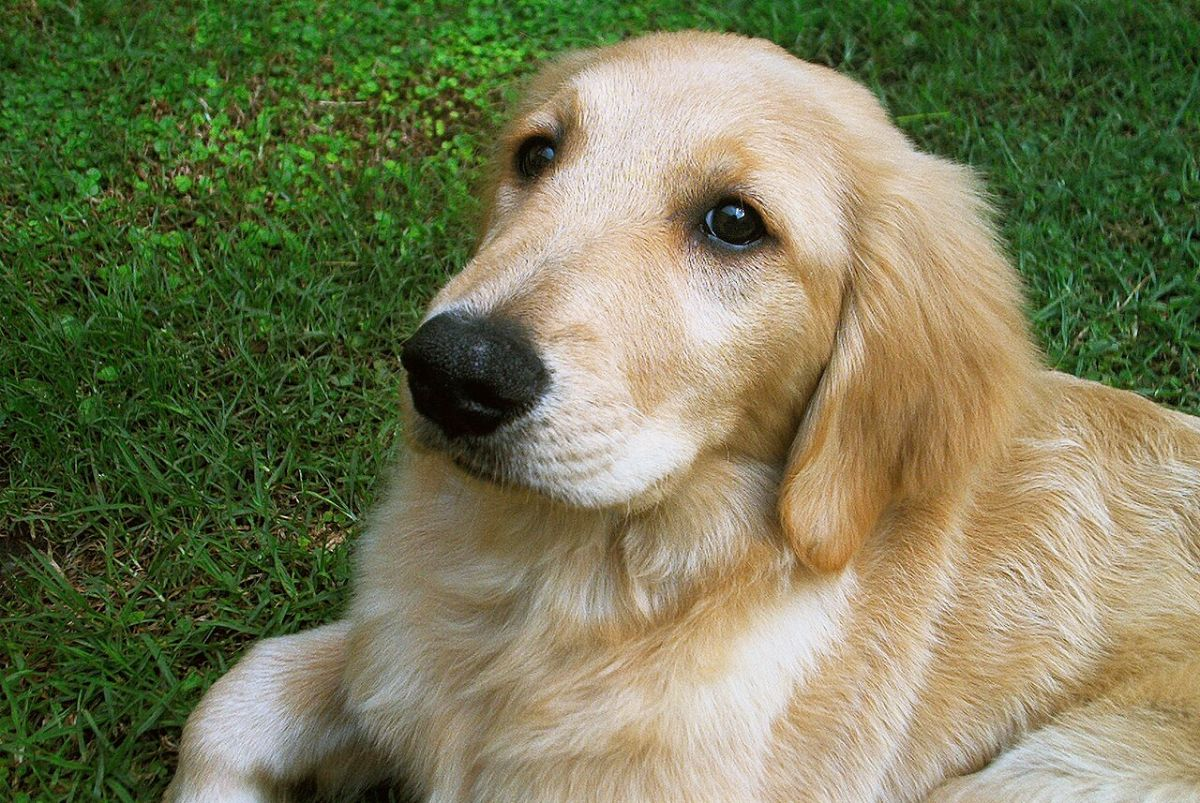
Photo: Unknown, via Wikimedia Commons, CC BY-SA 3.0
The American Kennel Club (AKC) sorts every breed it recognizes into one of seven groups: Sporting, Hound, Working, Terrier, Toy, Non-Sporting and Herding. Each group is based on the job the breeds were originally developed to do. Knowing a breed’s group is a quick shortcut to understanding its energy, instincts and care needs, which is why it is a great place to start when choosing a dog.
The 7 AKC dog breed groups
1. Sporting Group
Sporting dogs were bred to help hunters find and retrieve birds. The group includes pointers, retrievers, setters and spaniels.
Typical traits: active, friendly, eager to please; most need plenty of daily exercise and many love water.
Examples: Labrador Retriever, Golden Retriever, English Setter, Vizsla, Brittany, Cocker Spaniel
2. Hound Group
Hounds were bred to hunt, either by following a scent trail or by chasing prey by sight with great speed and stamina. Some make a distinctive howl called baying.
Typical traits: independent, driven by their nose or eyes; can be hard to recall off-leash.
Examples: Beagle, Basset Hound, Bloodhound, Greyhound, Whippet
3. Working Group
Working dogs were bred for jobs such as guarding property, pulling sleds and carts, and water rescue. Many are large and powerful.
Typical traits: intelligent, strong and capable; need early training and socialization because of their size.
Examples: Siberian Husky, Great Dane, Boxer, Samoyed, Doberman Pinscher, Bernese Mountain Dog
4. Terrier Group
Terriers were bred to hunt and dig out rats and other small animals. Many have wiry coats that need special grooming.
Typical traits: energetic, feisty, bold and often vocal; many like to dig and chase.
Examples: Airedale Terrier, Scottish Terrier, West Highland White Terrier, Bull Terrier, Cairn Terrier
5. Toy Group
Toy breeds are small companion dogs, many bred simply to keep people company. Their size often suits apartment and city living.
Typical traits: affectionate and portable, often big personalities in small bodies; can be fragile around very young children.
Examples: Chihuahua, Pomeranian, Maltese, Pug, Papillon
6. Non-Sporting Group
The Non-Sporting Group is a mixed bag of breeds that do not fit neatly elsewhere, with a huge range of sizes, coats and personalities.
Typical traits: varies widely, so always research the individual breed.
Examples: Dalmatian, Chow Chow, French Bulldog, Shiba Inu, Poodle, Keeshond
7. Herding Group
Herding dogs were bred to control the movement of livestock such as sheep and cattle. This was the newest group, created out of the Working Group.
Typical traits: very intelligent and trainable; high energy, and some may try to herd children or other pets.
Examples: Border Collie, Shetland Sheepdog, German Shepherd Dog, Australian Cattle Dog, Cardigan Welsh Corgi
Read more about herders in our guide to the sheep dog.
Dog breed groups at a glance
| Group | Original purpose | Energy level | Good to know |
|---|---|---|---|
| Sporting | Finding and retrieving game birds | High | Usually very people-friendly |
| Hound | Hunting by scent or sight | Medium to high | May follow their nose and ignore recall |
| Working | Guarding, pulling, rescue | Medium to high | Often large; training is essential |
| Terrier | Hunting vermin | High | Feisty; many dig and bark |
| Toy | Companionship | Low to medium | Small and portable |
| Non-Sporting | Varied | Varies | Research each breed |
| Herding | Moving livestock | High | Need mental work and exercise |
How dog breed groups work at dog shows
Breed groups are the backbone of big all-breed shows such as the Westminster Kennel Club Dog Show and the National Dog Show broadcast on Thanksgiving. Judging happens in three rounds:
- Best of Breed: dogs of the same breed compete against each other, and one winner is chosen for each breed.
- Group judging: every Best of Breed winner competes within its group, so the Labrador Retriever winner faces the other Sporting breeds. One dog wins each of the seven groups.
- Best in Show: the seven group winners meet in the final, and one dog is named Best in Show.
That is why you will often hear commentators say a dog “won the Herding Group” before the final round.
A short history of the AKC groups
The American Kennel Club was founded in 1884, and its breeds were originally sorted into far fewer categories. As more breeds were recognized, the system grew. The most recent change came in 1983, when the AKC created the Herding Group by moving herding breeds such as the German Shepherd and Collie out of the Working Group. That gave us the seven groups used today.
What about breeds that are not in a group?
Not every breed is in one of the seven groups. The AKC also has:
- Miscellaneous Class: breeds working toward full AKC recognition. They can compete in some events and may later join a group.
- Foundation Stock Service (FSS): a record-keeping service for developing and rare breeds. FSS breeds are not yet eligible for full AKC registration.
Mixed breeds and designer crosses, such as the Cavapoo or Mini Hippo, are not assigned to any AKC group.
Other kennel clubs group breeds differently
The AKC system is the one most used in the United States, but other organizations use their own groups:
- United Kennel Club (UKC): uses eight groups, including separate groups for scenthounds, sighthounds and northern breeds.
- Fédération Cynologique Internationale (FCI): the international federation, used in much of Europe and the world, uses ten groups. Sheepdogs and cattle dogs, for example, are its Group 1.
That is why the same breed can appear in different groups depending on where you look.
Royal Kennel Club (UK) groups
The UK’s Royal Kennel Club also uses seven groups, but with different names:
| UK group | Closest AKC group | Example breeds |
|---|---|---|
| Gundog | Sporting | Labrador Retriever, English Springer Spaniel |
| Hound | Hound | Beagle, Whippet |
| Pastoral | Herding | Border Collie, Old English Sheepdog |
| Terrier | Terrier | Border Terrier, Staffordshire Bull Terrier |
| Toy | Toy | Cavalier King Charles Spaniel, Pug |
| Utility | Non-Sporting | Bulldog, Dalmatian, Poodle |
| Working | Working | Boxer, Saint Bernard |
FCI’s 10 breed groups
The Fédération Cynologique Internationale (FCI) splits breeds into ten groups:
| FCI group | Name |
|---|---|
| 1 | Sheepdogs and Cattle Dogs (except Swiss Cattle Dogs) |
| 2 | Pinscher and Schnauzer, Molossoid and Swiss Mountain and Cattle Dogs |
| 3 | Terriers |
| 4 | Dachshunds |
| 5 | Spitz and Primitive Types |
| 6 | Scent Hounds and Related Breeds |
| 7 | Pointing Dogs |
| 8 | Retrievers, Flushing Dogs and Water Dogs |
| 9 | Companion and Toy Dogs |
| 10 | Sighthounds |
United Kennel Club (UKC) groups
The UKC, the second-oldest all-breed registry in the United States, uses eight groups: Companion, Guardian, Gun Dog, Herding, Northern Breed, Scenthound, Sighthound and Pariah, and Terrier.
How to use breed groups when choosing a dog
- Active household? Look at the Sporting and Herding groups.
- Small home or apartment? Toy breeds and some Non-Sporting breeds often adapt well.
- Want an independent dog? Many hounds and guardian-type working dogs are less clingy.
- Okay with barking and digging? Terriers might be a fun fit.
Groups are a starting point, not a guarantee. Individual dogs vary, so always read up on the specific breed and meet the dog first.
Frequently asked questions
How many dog breed groups are there?
The AKC uses seven groups: Sporting, Hound, Working, Terrier, Toy, Non-Sporting and Herding. The UKC uses eight and the FCI uses ten.
What is the Non-Sporting Group?
It is a group of varied breeds that do not fit the other categories, such as the Dalmatian, Poodle, French Bulldog and Chow Chow.
Which dog group is best for families?
Many Sporting breeds, such as Labrador and Golden Retrievers, are popular family dogs, but the best choice depends on your home, time and lifestyle.
Are mixed-breed dogs in a breed group?
No. AKC groups only include recognized purebred breeds, though mixed breeds can still take part in many AKC sports and activities.
What are the 7 dog breed groups?
The seven AKC dog breed groups are Sporting, Hound, Working, Terrier, Toy, Non-Sporting and Herding.
When was the Herding Group created?
The AKC created the Herding Group in 1983, when herding breeds were moved out of the Working Group.
What group is the Poodle in?
In the AKC, the Standard and Miniature Poodle are in the Non-Sporting Group, while the Toy Poodle is in the Toy Group.
Leave a Reply